

Plant sampling on the Avon
In the project's first fieldwork, modern plant samples were collected to help create a strontium isotope baseline map, an ‘isoscape', against which values for humans will be compared. A national strontium isoscape is already available, but its spatial resolution is coarse. The results will not only help frame the interpretation of humans in the study, but will contribute to refining the regional and national isoscape.
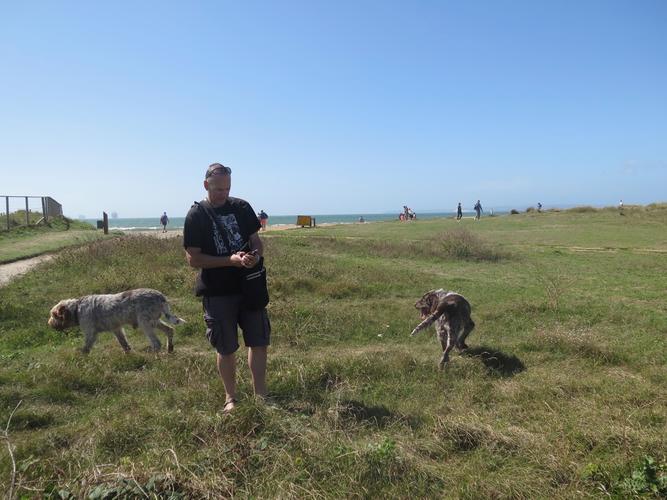
Rick at Hengistbury Head
Hengistbury Head, start of the journey. Site of a Late Iron Age trading emporium focussed on connections with the Continent, and facilitated by access to the hinterland supplied by the Rivers Stour and Avon. Strontium isotope values here may be heavily influence by sea spray, which certainly could be felt on the day. Plant samples are georeferenced using a handheld Garmin GPSMap 62.
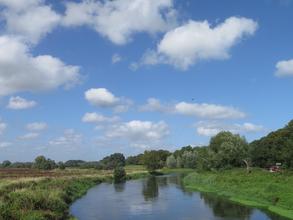
River Avon at Ibsley.Photo: Joanna Ostapkowicz
River Avon at Ibsley.
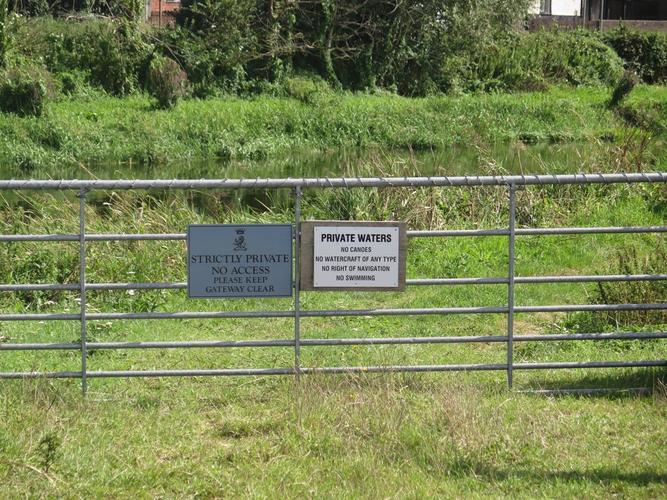
Avon access
Access to parts of the Avon is strictly controlled today. To what extent was this also the case in late prehistory?
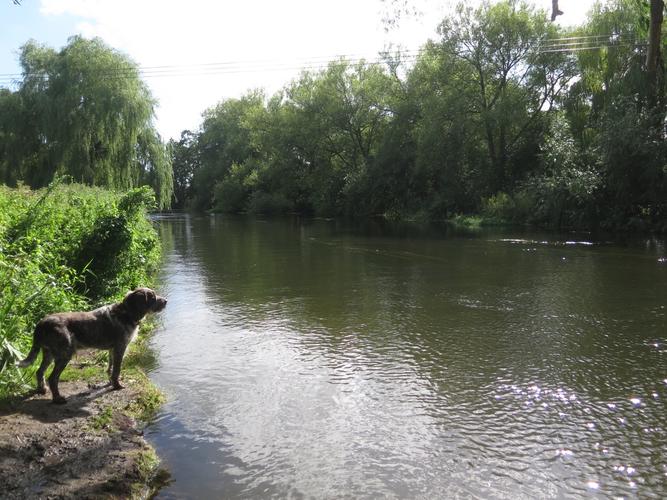
The stability of the Avon’s banks at Fordingbridge is well-maintained by vegetation. A large Bronze Age cremation cemetery was found nearby. Photo: Joanna Ostapkowicz
The stability of the Avon's banks at Fordingbridge is well-maintained by vegetation. A large Bronze Age cremation cemetery was found nearby.
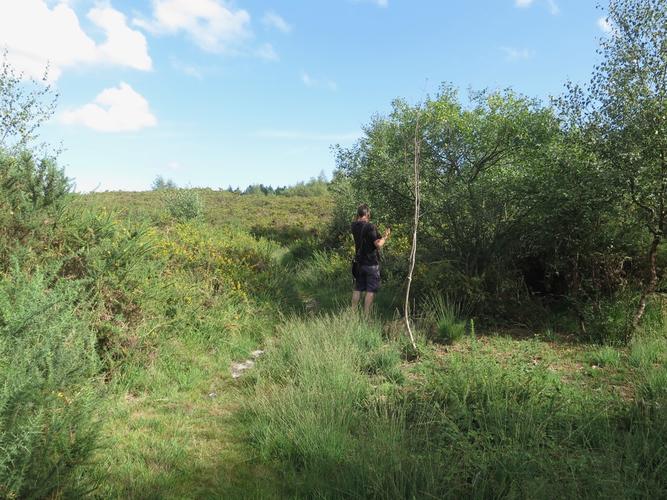
Sampling a small tree in a very different heathland environment near Cripplestyle, just a few kilometres west of the Avon.Photo: Joanna Ostapkowicz
Sampling a small tree in a very different heathland environment near Cripplestyle, just a few kilometres west of the Avon.
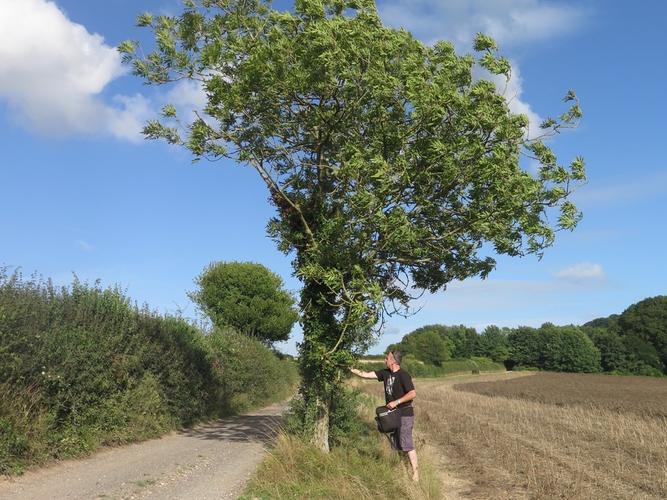
Sampling a small tree on the chalk downlands near Cranborne west of the Avon.
Sampling a small tree on the chalk downlands near Cranborne west of the Avon. The strontium isotope signature of plants growing on the chalk tends to be very consistent, centring on ca. 0.7080, but it is always worth getting additional confirmation.
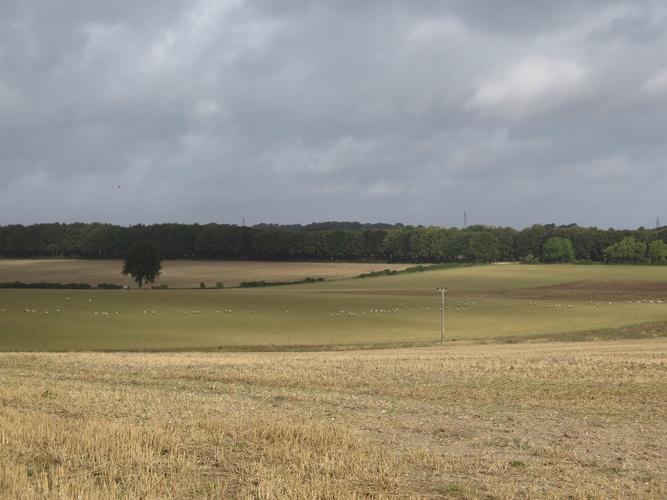
Chalk downlands
The chalk downlands present a very different landscape to that of the Avon Valley, yet the two are within only a few kilometres of one another. Prior to the late nineteenth century, the valley's water meadows and the chalklands were closely interconnected in an integrated farming system.
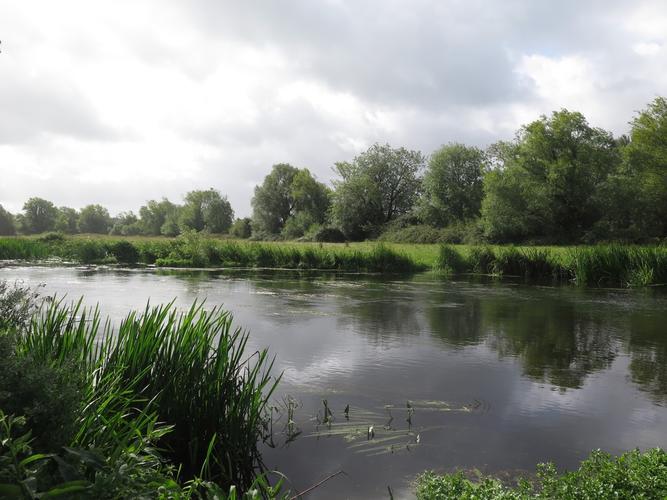
Churchill Park, Salisbury
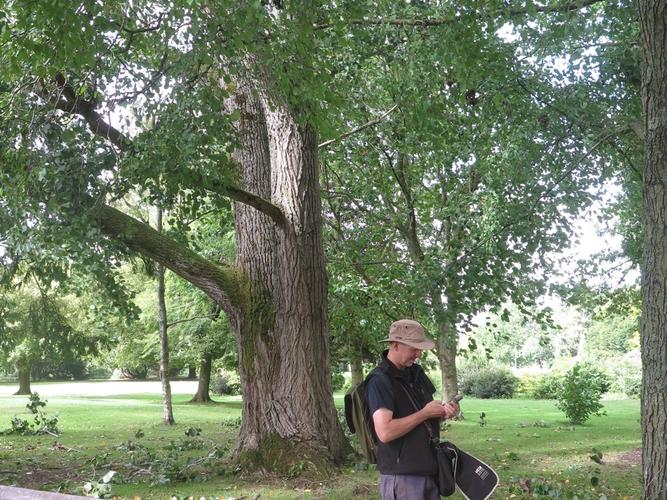
Back in the Avon Valley at Churchill Park, Salisbury, the northernmost point of the trip, some 40 km from the starting point.
Churchill Park, Salisbury
Taking advantage of branches brought down by Storm Ellen, 20 August, in Churchill Park, Salisbury.
Avon Valley tree
iGeology app
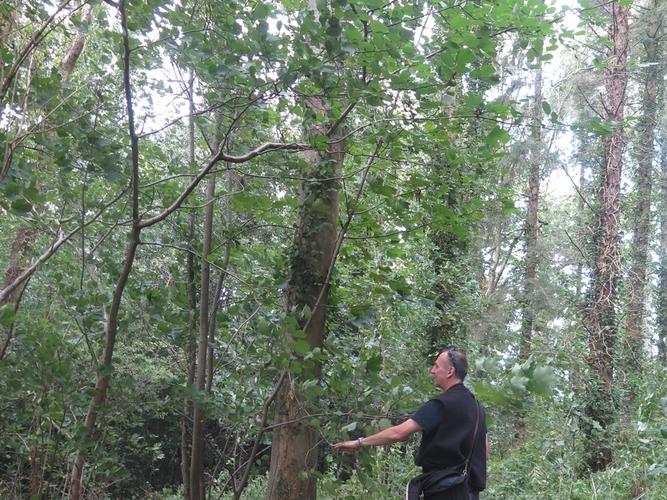
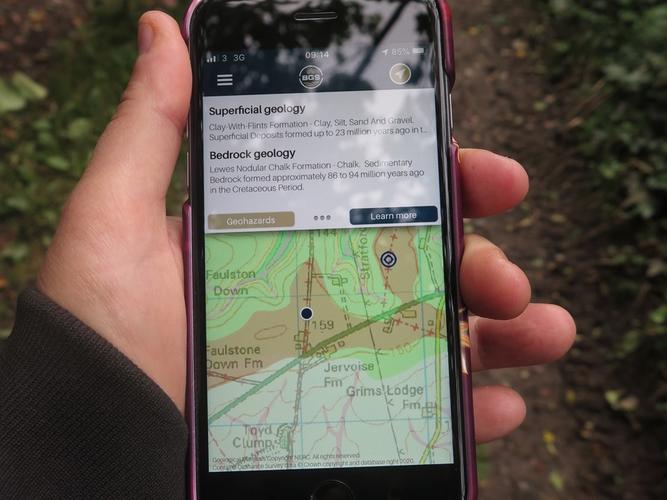
Sampling along the eastern side of the Avon Valley near the boundary between the Chalk and the London Clay. The British Geological Survey's iGeology and mySoil apps were invaluable aids in guiding the sampling strategy.
Avon floodplain
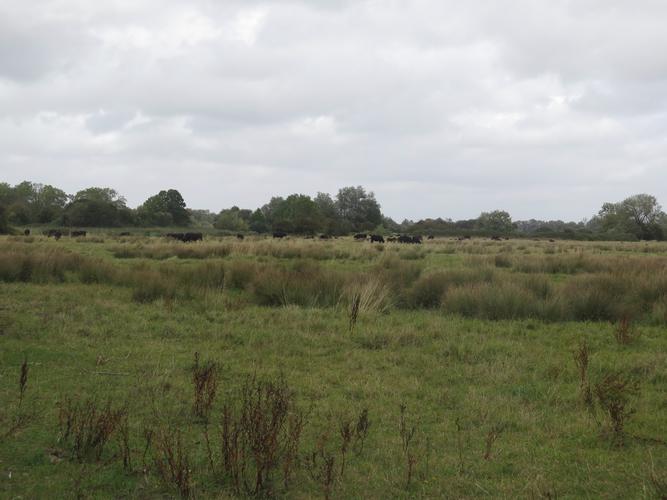
The floodplain was heavily managed to provide valuable grasslands for grazing and hay cropping from the seventeenth century. How it was used in earlier periods is less clear, particularly for prehistory. Access to the river may have been far more difficult because of dense vegetation and reed beds.
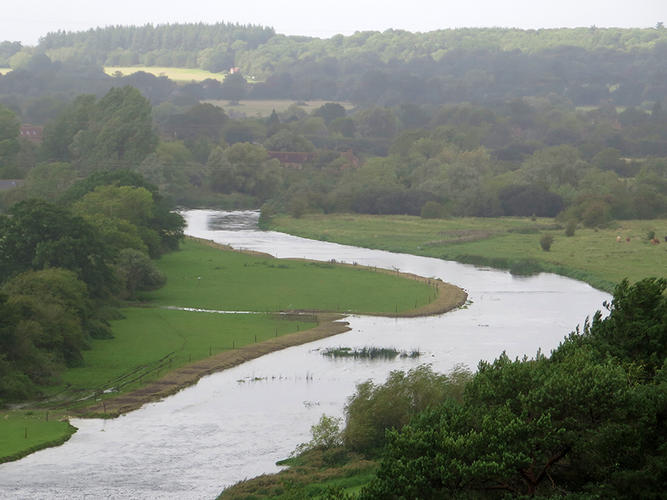
Avon Valley from Godshill
The view over the Avon Valley from Godshill, with Chalk downlands to the west, and very different geological formations to the east, consisting of clay, silt, and sand deposits. This difference is captured by strontium isotope values for plants growing here, and will aid in the construction of a more detailed strontium isoscape for the Avon that will contribute to a better understanding of how the landscape was used in prehistory. In total 42 samples were obtained from 20 locations.
Photographs by Joanna Ostapkowicz. Our furry four-footed helpers are Obi and Kenta, honorary members of the advisory group (very much on probation).